
Craft & origin
Three questions, kept apart.
A similar geometric pattern proves no authorship. That is why, for every country world, we separate three levels – and say openly on which level a statement sits.
-
Documented tradition
What museums, ministries of culture, UNESCO and specialist institutions document about a textile tradition. We tell these stories with sources.
-
Confirmed origin
Where the actual material of a model comes from and who makes it. As long as this is not documented, we name no place and no workshop.
-
Design inspiration
How a product visualisation takes up a textile idea. Here we speak of inspiration and translation – not of production by a community.
Techniques
Six worlds, many crafts
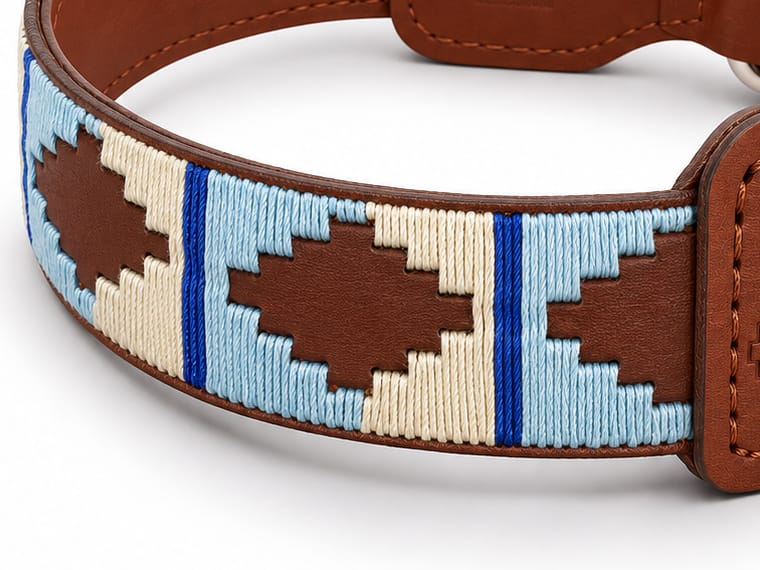
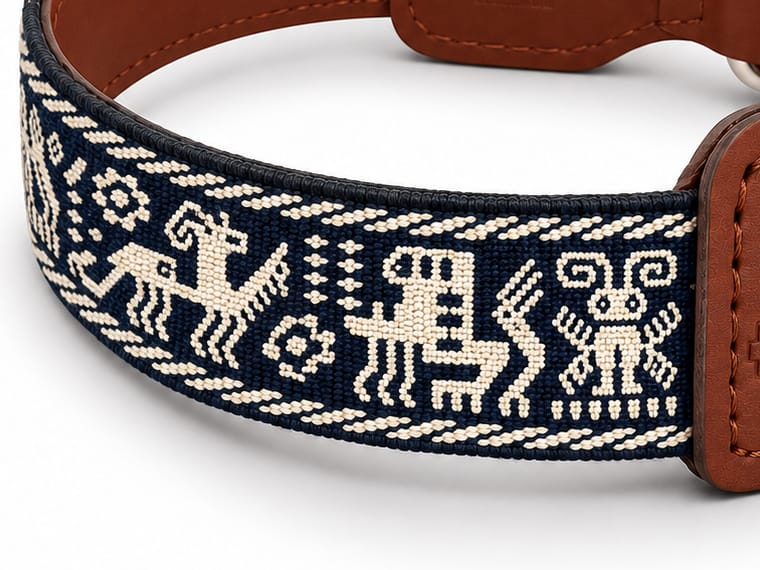
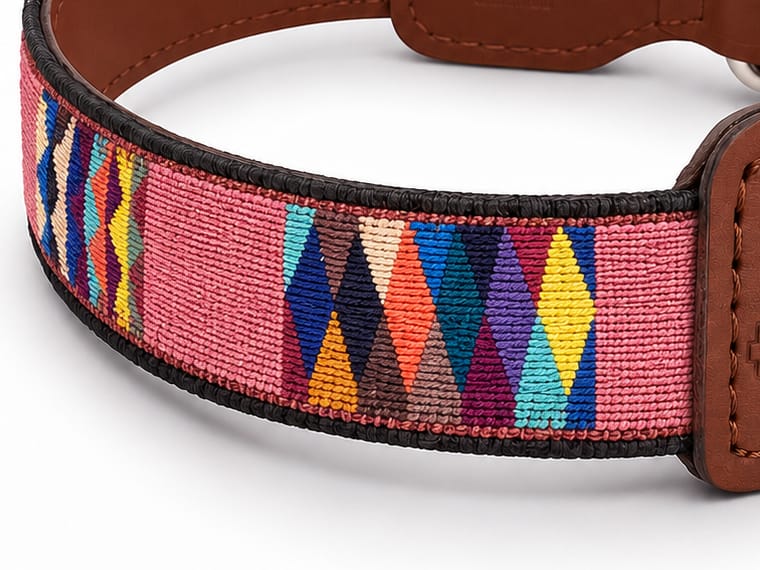
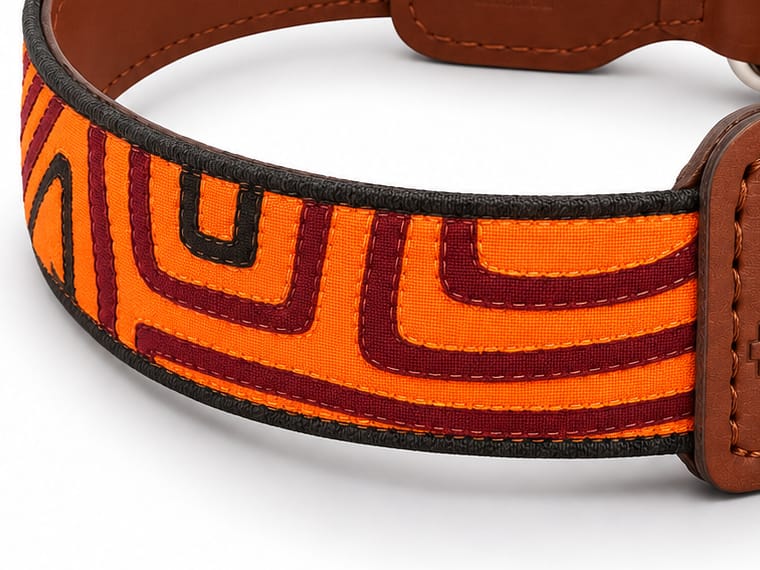
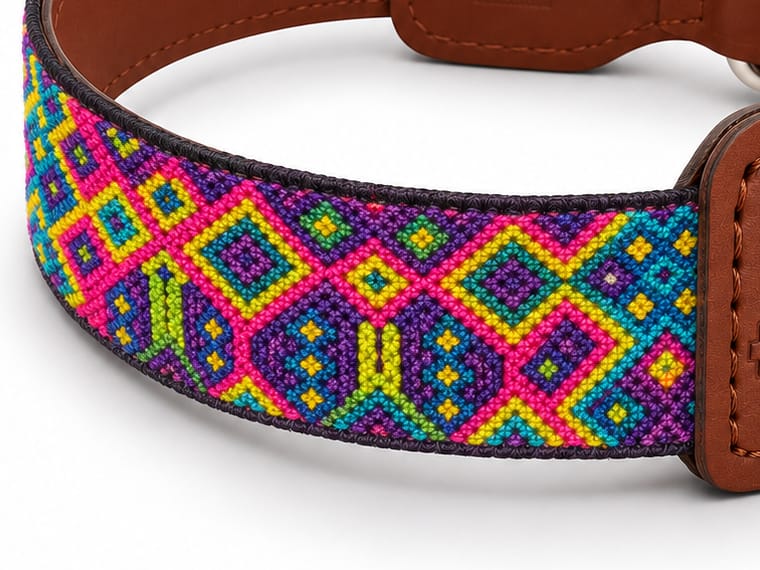
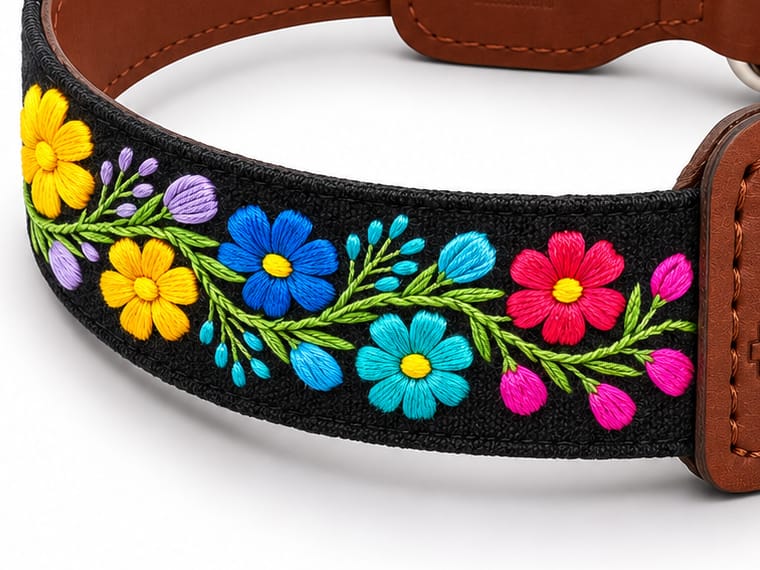
Weaving, embroidery, cross-stitch and mola appliqué are different crafts. The country worlds show how different they are.
-
-
-
-
-
-


Material
The brown material base
Every model shares a brown, leather-like base with the LÁAK emboss and metal hardware. Earlier documents describe an animal-free material base; more recent ones speak of leather.
We will only commit once reliable product documentation is available. Until then we make no claims about genuine leather or a vegan product, water resistance, durability, care or certifications.


Details cropped from the product visualisation
Imagery


Mood images (AI visualisations) – they do not show a workshop or any specific people, places or products.