Country world · 5 models
Peru
Woven bands and floral embroidery
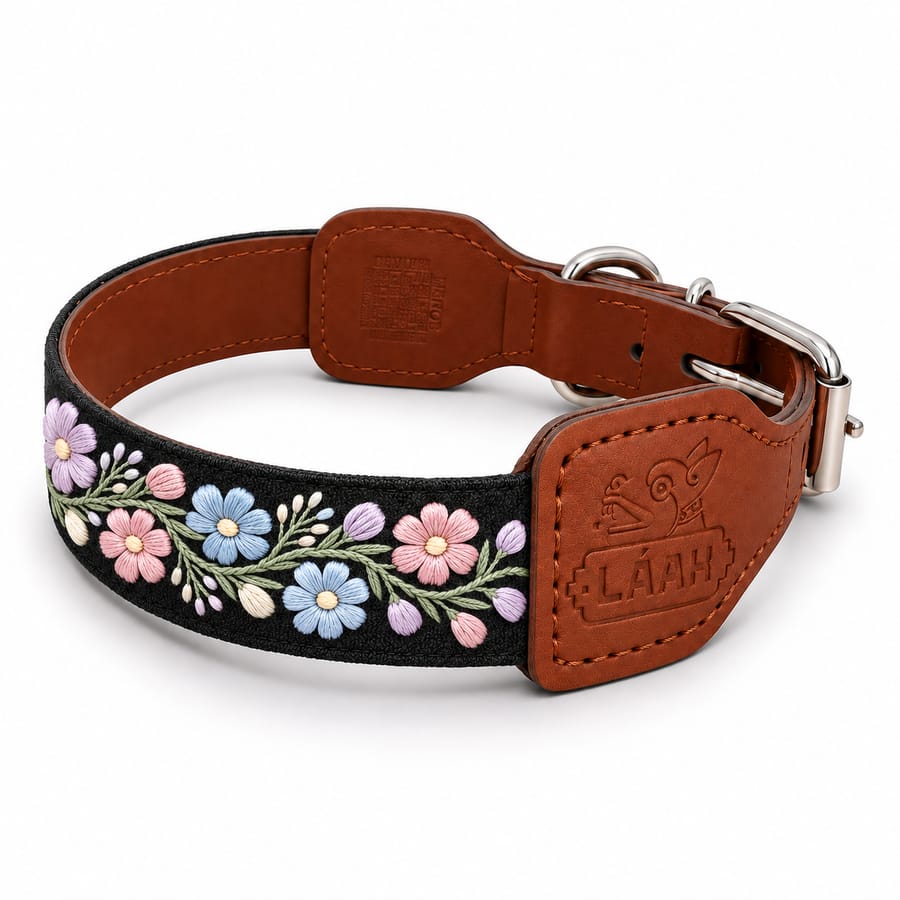
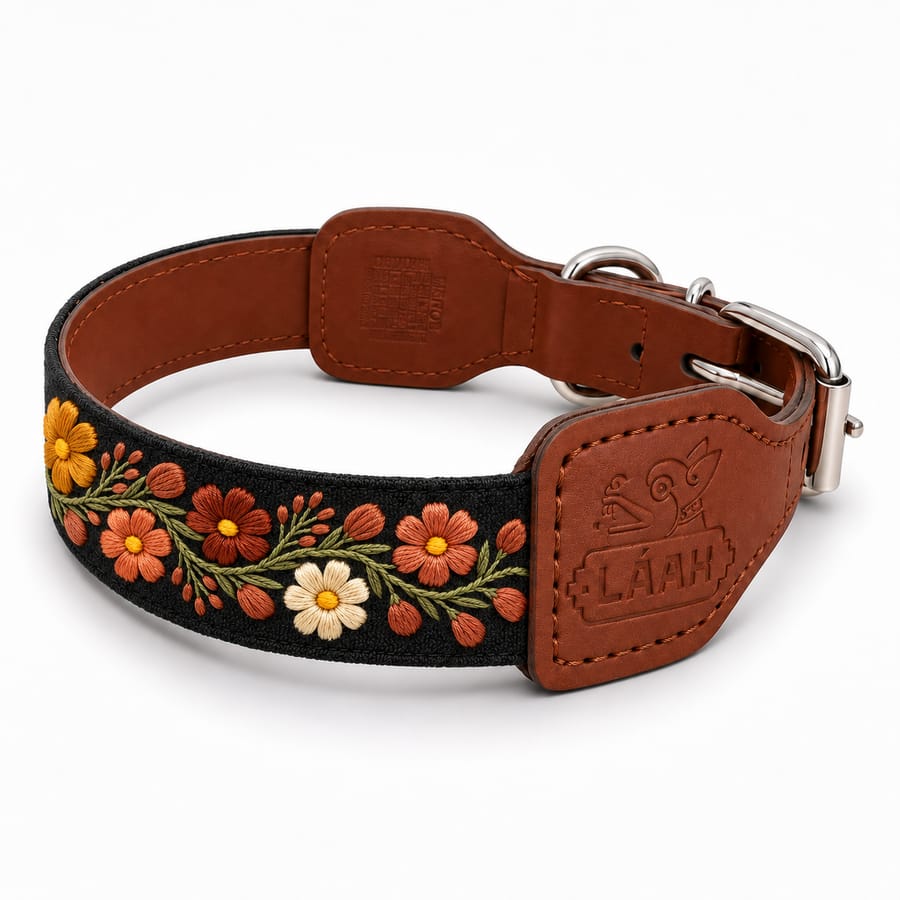
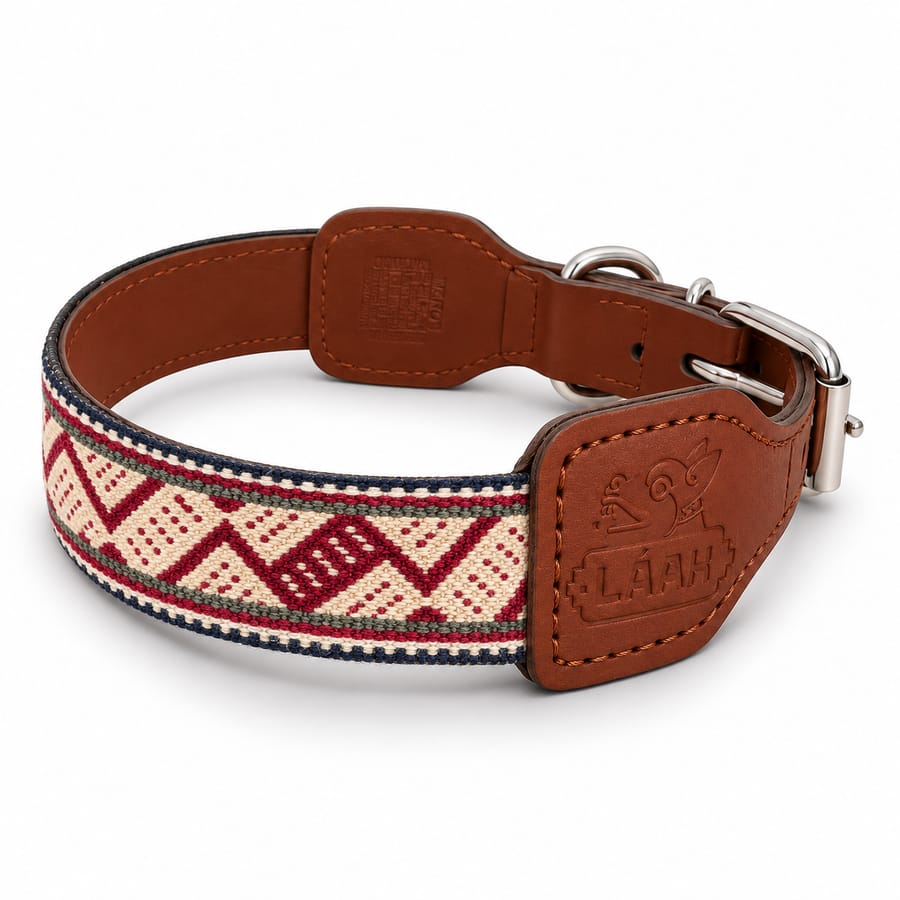
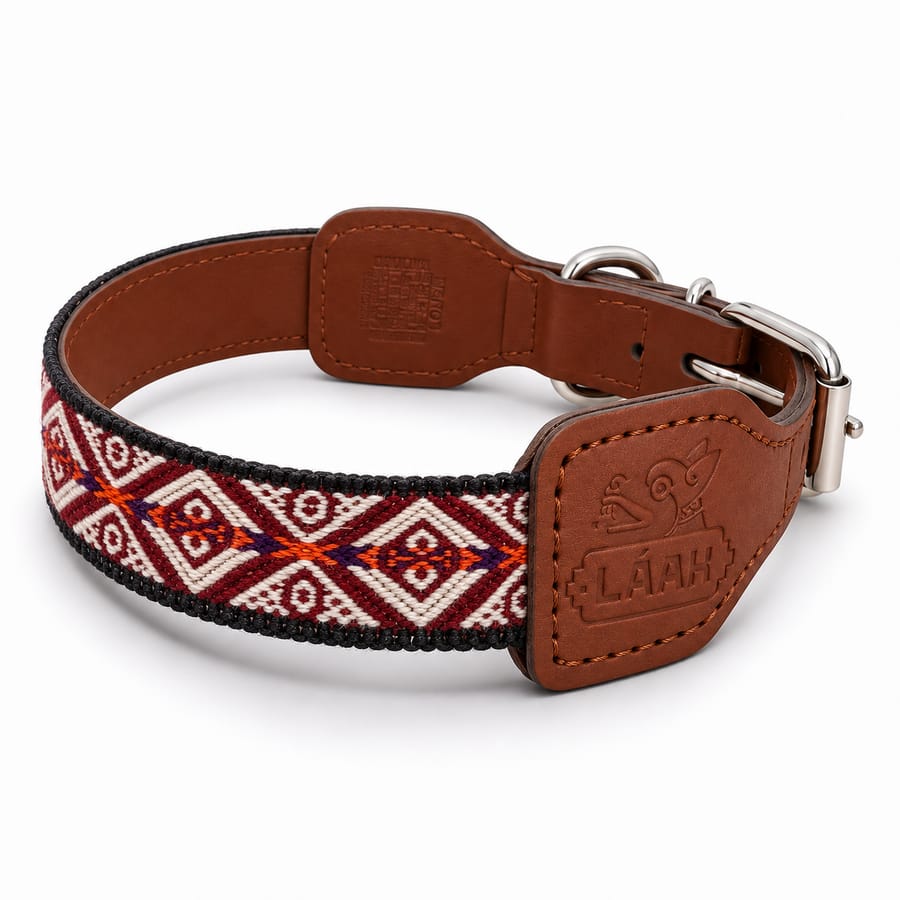
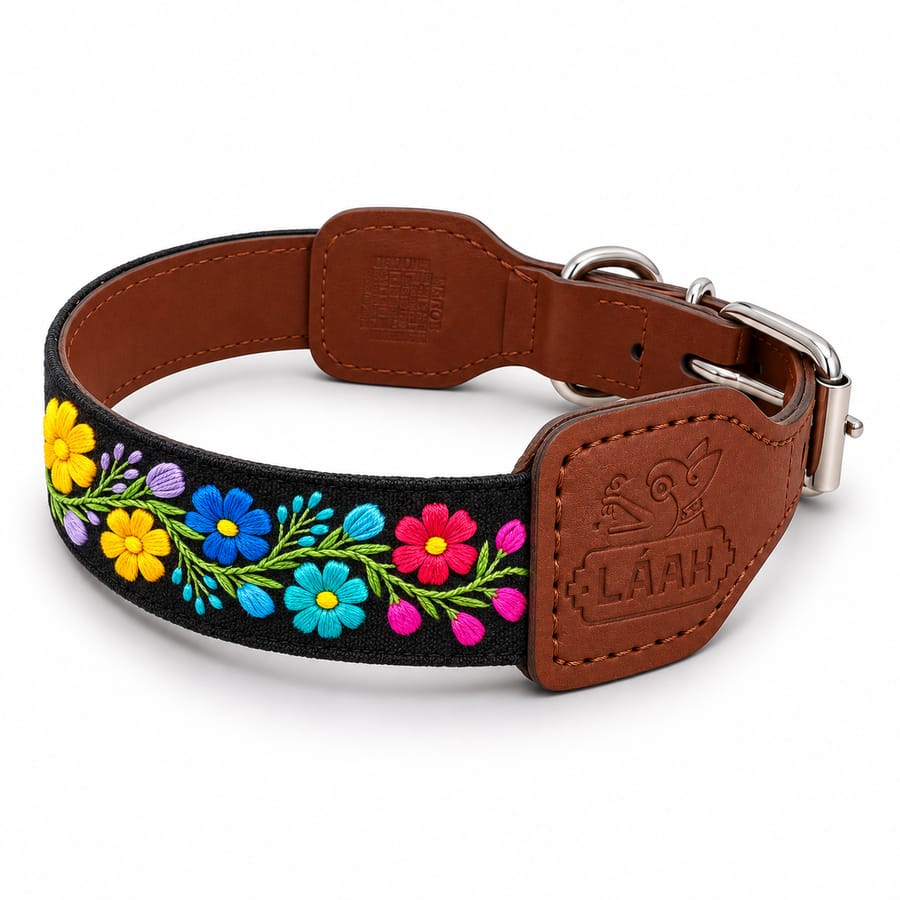
The Peruvian world has two faces: two bands with a woven look in cream and burgundy – and three designs with flowering vines on black that recall embroidery.
Models from Peru

Technique
Weaving, knitting, embroidering
Two examples show the range: on the island of Taquile in Lake Titicaca, UNESCO notes that textiles are knitted or woven on pre-Hispanic four-stake ground looms. In the Colca Valley in Arequipa, embroidery is at the centre.
Background
The tradition
The textile art of Taquile was inscribed on UNESCO’s Representative List of the Intangible Cultural Heritage in 2008, having been proclaimed in 2005. Textiles are made as an everyday activity by men and women of all ages – among them the knitted chullo and the wide calendar belt depicting the annual cycles of ritual and agricultural life.
Further west lies the Colca Valley in the province of Caylloma. In 2018, Peru declared the knowledge, skills and practices of its embroidery part of the nation’s cultural heritage.
Translation
What the designs make of it
The LÁAK designs come neither from Taquile nor from the Colca Valley – the two examples only show how varied Peruvian textiles are. The visualisations carry two design ideas: zigzag and diamond bands with a woven look, and flowering vines that recall embroidery.
Models from Peru
Peru
Bright Blossoms
Flowers in yellow, blue, turquoise and pink along a vine on black – in the style of embroidery.